Inconvenience sells

I was leaving the gym this morning when I started checking my pockets for my car keys. 

Then I thought, “Why don’t women’s clothes have pockets?”

Since I see the world through the lens of marketing, I came up with a theory:

Maybe women’s clothes don’t have pockets so industrialists could sell more purses. 

Before there were purses, there were pockets in everything. You needed to be able to carry your stuff around with you.

I’m sure that didn’t sit well with the people who made and sold purses. When presented with a fancy new bag, I’m sure customers thought, “Why do I need a heavy, expensive bag to carry my stuff when I have pockets?”

But if you get rid of the pockets, you make things inconvenient. You’ve created a new need—the need to have something to carry your stuff around in.  

(Let’s not even get started on all the accessories sold simply to carry around in a purse…)

If this is true, it goes to prove a great (potentially immoral) marketing point:

If you don’t have a problem, make one up, then sell the solution. 

Marketers do this to us all the time. We need to be aware of it.

Are you actually being inconvenienced, or did a sly marketer make it that way?

First, put wood on the fire

Here’s one of my favorite quotes from Earl Nightingale:

“It’s foolish to sit in front of the fireplace and tell it ‘first give me some heat. Then I’ll give you some wood.’“

Of course, it’s a little foolish to talk to your fireplace at all. But that’s not the point.

Why would you expect the fire to warm you up with no wood? That’s as foolish as thinking people will buy from you before you’ve created value for them.

You have to help people before they’ll give you money…

You can’t get warm if you don’t put wood on the fire.

Subscribe below to get daily insights, resources, and ideas delivered straight to your inbox.

Who I learned from this week (July 23, 2021)

https://michaelhyatt.com/shave/

Michael Hyatt put together a crazy in-depth guide with four big parts. If you’re looking to up your productive and get more done while working less, I highly recommend you download this ebook.

An absolutely fascinating post by Seth Godin about reaching your audience organically.

Serve a handful of people well, be remarkable, and they’ll tell a few others. It starts small, but the results are exponential.

https://podcasts.apple.com/us/podcast/marketing-made-simple/id1569923210?i=1000526591946

Donald Miller’s “StoryBrand Framework” is the gold standard in effective marketing, especially for creatives, solopreneurs, and small business folks.

His team recently came out with a new podcast called “Marketing Made Simple” which I’m absolutely DEVOURING. Not only are the hosts incredibly engaging and funny, they give practical advice and step-by-step instructions on how to market your business from beginning to end.

There are five episodes so far, each with a call-to-action to fill out your very own StoryBrand Brandscript (which you can start for free right here).

A great article by Ryan Holiday that makes a compelling argument for anger being a primary cause of the Confederacy’s failure in the American Civil War.
I’d like to specifically draw your attention to his 3rd idea in this newsletter.

What’s the single tiny step you can do to move the needle on your project or goal? Even if it feels microscopic?

https://www.calnewport.com/blog/2021/07/21/on-pace-and-productivity/

Last, but not least, this article from Cal Newport shows us that how much time we look at collectively has a big impact on whether or not we look productive.

Scientists like Galileo and Newton had seemingly slow, unproductive days when looked at individually. But when you look at their accomplishments over the span of years, it’s mind-boggling what they did…

Subscribe below for daily insights, resources, and great content delivered directly to your inbox.

What I Read This Week (July 9, 2021)

Here’s something new I’m trying out:

Every Friday, I’d like to update you, the loyal readers, on what I have been reading or listening to over the past week.

I’m hopeful that you’ll find awesome insights and new folks to follow who’ll help you level up your life.

Here’s this week’s first post!

Michael Hyatt is one of the foremost bloggers on the internet today. His five steps to avoiding burnout were simple and actionable. I’ll be working them into my routine from now on.
One of Seth’s longer posts, here he talks about how to find customers and the strategies you can use to grow your base. Definitely worth a read when you have the time.
Not sure why this one isn’t embedding correctly, but here’s a great article by one of my copywriting mentors on how to quickly and effectively learn ANY new skill.
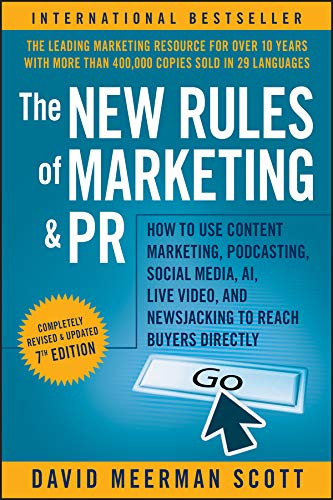
I mentioned David in an earlier post this week on blogging in community. I recently cracked this book back open to check out what he had to say about the best ways to blog, inspiring that previous post. If you do ANYTHING involving content, I highly recommend this book. Click the image to get a copy at Amazon.

Don’t forget to subscribe for daily insights delivered directly to your inbox!

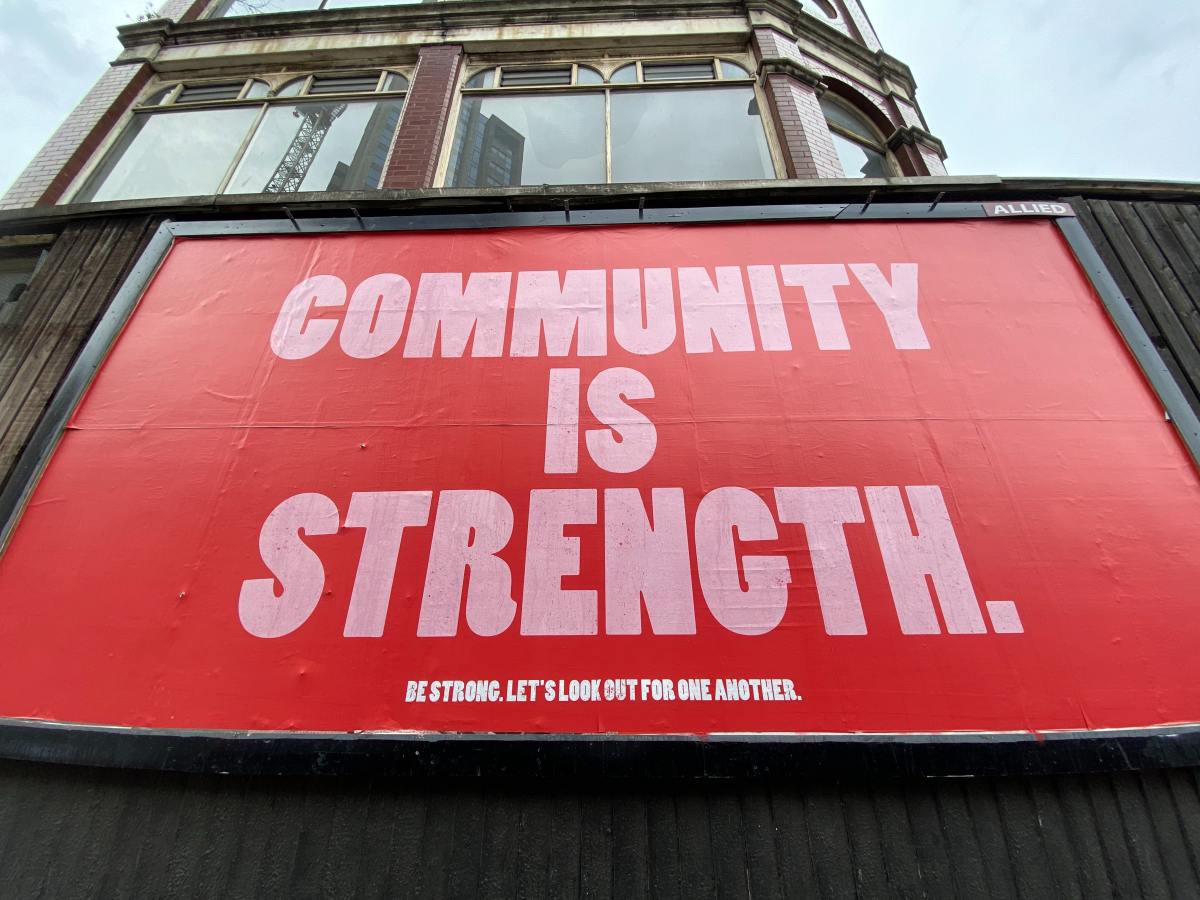
Blog in community (and grow your blog fast)

One of the most helpful things I’ve learned as a blogger came to me from David Meerman Scott. There are two parts, and the first is this:

Before you start your own blog, follow other blogs and bloggers and engage with the ones that matter to you.

I’ve been an avid blog consumer for years, reading from great thinkers and companies like Seth Godin, Michael Hyatt, HubSpot, and Mr. Scott himself of course. They’ve shaped my own thinking and helped me figure out my path forward as a marketer.

This first step lets you figure out how you can contribute to the discussions and the questions being asked on the internet. This is a great starting point for creating your own content.

But the second part of what David taught me was the most profound: engage with their content, leave comments, start discussions. And when you do that, include a link to your own blog.

We often forget the “engagement” step. Don’t just consume—engage! And almost no one links back to themselves for follow-up.

Bloggers like to support other bloggers. They like to talk, discuss, disagree in a civil manner, and try to make the world a better place. By engaging with their content and leaving behind a link as a calling card, you’re encouraging this type of civil discourse.

Now, if you don’t yet have your own blog, you can do the same thing by linking to your LinkedIn profile. Or better yet (since people won’t be able to see your whole profile or its content without connecting), create a free, public about.me page to leave behind.

Think of it as your digital business card, a way for people to learn who you are and follow up with you if they’re so inclined.

Try it the next time you comment on someone’s blog or social media post. I guarantee people will want to hear what you have to say. And they might follow up as well.

(If you want to learn more about David Meerman Scott’s blogging strategies, check out his book The New Rules of Marketing & PR (7th Edition) wherever books are sold.)

Don’t forget to subscribe! Get daily insights to level up your life delivered directly to your inbox.

Who’s It For?

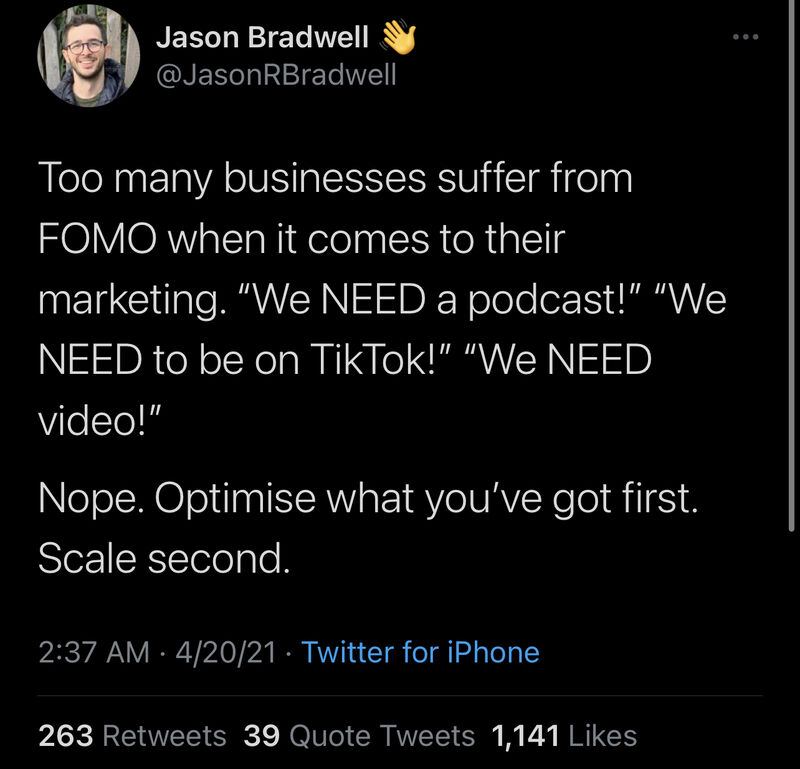
Jason Bradwell tweeted this a while back:

“Too many businesses suffer from FOMO [Fear of Missing Out] when it comes to their marketing. ‘We NEED a podcast!’ We NEED to be on TikTok!’

We’re all marketers now, trying to change the culture and influence others (hopefully for the better). But we have a problem: we get so caught up trying to figure out the tools and tactics, we stop focusing on the people!

What if your target audience isn’t ON TikTok?

What if your ideal customers don’t LISTEN to podcasts?

Why use those platforms if they aren’t helping you reach the right people?

“Who’s it for?” is the first question we should be asking.

H/t to Seth Godin for teaching me what’s most important in marketing.

(Here’s the original post if you’re interested.)

Learn how to make the world better. Subscribe today!

Is This Book Better Than an MBA?

Colleges don’t teach you how to succeed in the business world. Business schools teach theory, case studies, and lots of accounting and finance. But what they don’t teach you is how to run a profitable, cash-positive business. 

Sadly, they don’t even teach you how to work in a business. At least not in a way that makes money for your employer.

That’s a problem. Why? Because that’s what business owners, managers, and leaders want: value-driven professionals who generate cash.

Here’s the Solution

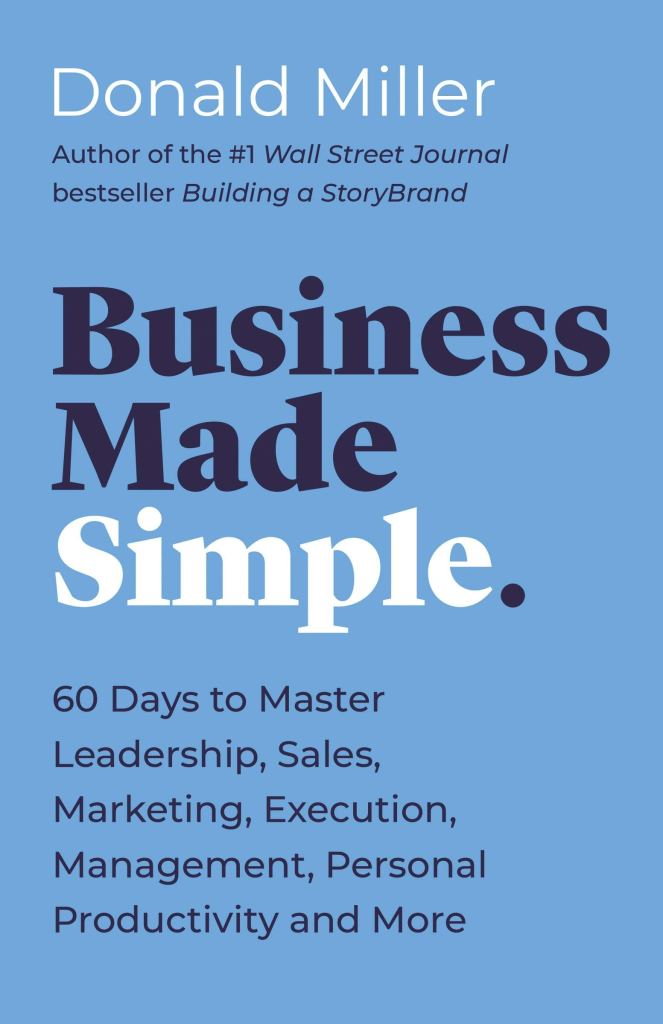
Donald Miller has done it. He’s created a book and podcast that teach you exactly what you need to know to run a profitable business. If you haven’t yet checked out Business Made Simple, do it today!

Buy the book. For just $20 bucks, you can get a better business education in 60 days than you would spending $50,000 on an MBA. And listen to the podcast—it’s absolutely free!

Learn practical skills you need to succeed like:

  • How to write a mission statement that drives and inspires you and your team.
  • How to create a clear message that drives customers to your products and services.
  • Sales processes that actually work.
  • Execution strategies that grow your business exponentially.

What If You’re Not A Business Owner?

Maybe you’re not an entrepreneur. Maybe you just want to have a successful career as a team member or employee. That’s okay!

Business Made Simple is for anyone who’s job it is to generate cash for a business. And guess what? That’s you! Whether you’re a salesperson, marketer, customer service agent, or a janitor, this book will help you succeed at work. 

If you’re looking to stand out in your job search, get promoted, or just contribute more in your work, you need check this stuff out. Get a business education that actually pays off.

Get a copy today!

Get daily insights on business, personal growth, and creativity.

Subscribe today.

Speak Your Dreams Into Reality Today

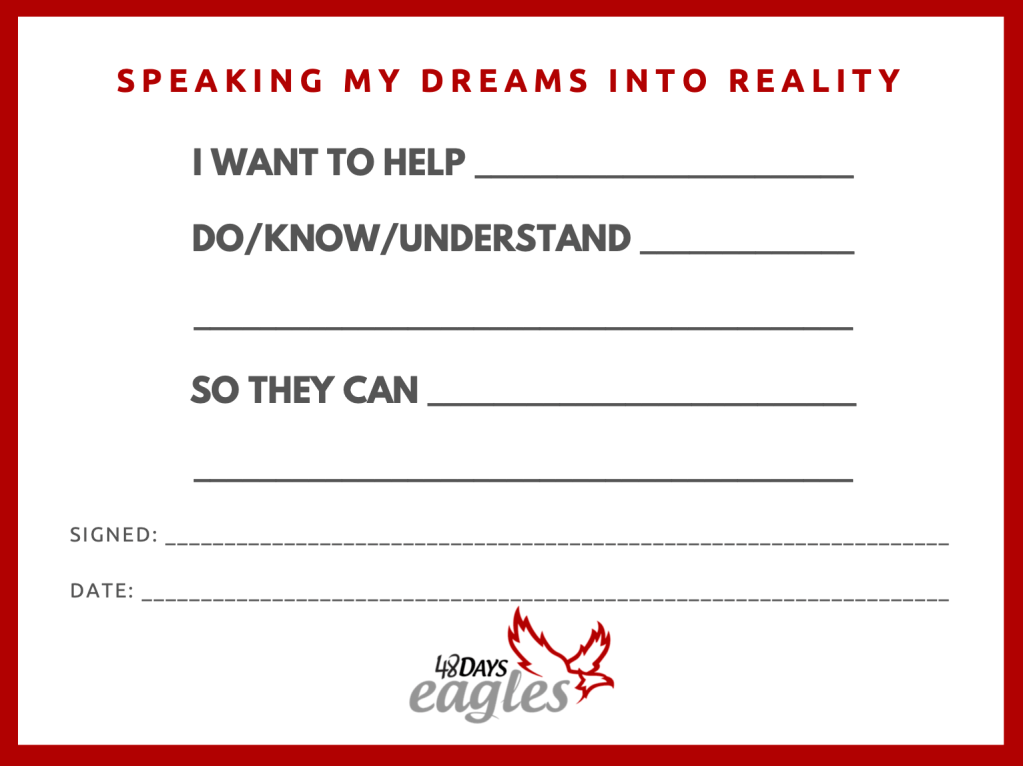
I got an email from the 48 Days Eagles (affiliate link) asking what my main business goal is for 2021. I thought I’d share it with you as well. So here goes:

“I want to help small businesses and entrepreneurs write better copy for their websites and marketing efforts so they can increase the sales of their products and services and grow their businesses.”

Why do I want to do this? Because if I can help others succeed in their business endeavors, they’ll be able to live out their hopes and dreams.

Now it’s your turn. Use this awesome layout to create your own business goal.

What’s your dream? Have you spoken it into reality yet?

And most importantly, can I help you with your dream or business?

Let me know in the comments!

Are You Buying What You’re Selling?

Zig Ziglar, the great motivator and sales trainer, found a mantra in the word “enthusiasm.” To him, the last four letters stood for “I am sold myself.”

Zig was a master salesman. He knew if you didn’t believe in what you were selling, that lack of enthusiasm would come across to the prospect.

But what about when you’re not selling a product? What if the thing you’re selling is yourself, and your customer is a potential employer?

This same idea holds true in the job hunt. If you’re trying to persuade an employer to hire you, you have to believe in the product. 

If you’re a freelancer trying to convince a company to use your freelance services, you’re selling a product you must believe in. 

If you’re not enthusiastic about what you have to offer, they won’t be either.

If you don’t believe in yourself, they won’t want to buy your product. And make no mistake: you are the product. 

Grow your enthusiasm. Know what you have to offer; understand what you do best; determine how you can best serve others. And believe that it will benefit another person.

Sell yourself on you.

“You can have everything in life you want, if you just help enough people get what they want.”—Zig Ziglar

Get a daily dose of inspiration. Subscribe below!

We Are All Liars

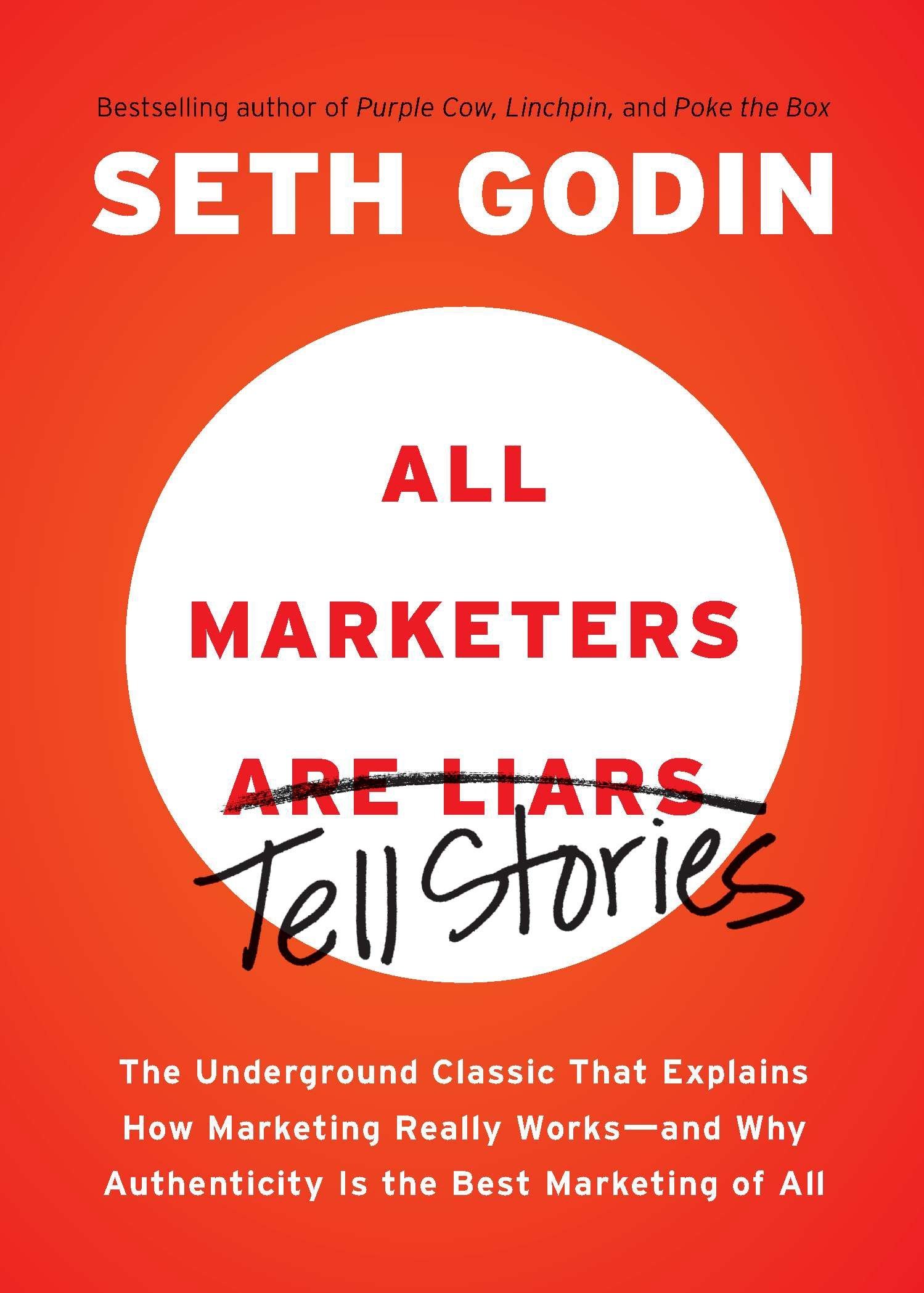
I was flipping through books in a bookstore the other day on an Artist Date. While there, I came across one by my favorite marketing teacher Seth Godin.

Seth boldly claims that all marketers are liars because their jobs are to tell stories. As I thought about it, I realized we’re all liars.

Stories are how humans make sense of the world. It’s been that way since we were sitting around campfires, boasting about the Mastodon we brought down on the plains.

Our stories are never accurate. Our memories are fleeting, piecemeal images we try to put together into coherent statements. It’s why you can ask multiple eyewitnesses what happened at the scene of an accident and get four versions of the same crash

This does not mean there are no true stories, no facts. It just means the stories we tell ourselves and others are never the whole truth.

Fish Stories

How many times have you heard the same fish story from a relative? Did the fish get bigger with every telling?

I remember as a child sitting in the living room with my older brothers, sides splitting from tales of their recent exploits and the ridiculous shenanigans they got up to.

And I remember feeling a sense of jealousy afterwards. “Why couldn’t I tell stories like that?” Stories that were as humorous, grandiose, and absolutely ridiculous.

One reason was I had not mastered telling stories (read: changing details ever so slightly to make the stories better). Another reason was I had not lived long enough to collect interesting stories.

Of course, as I got older and my contact with other strange characters in this world increased, I collected my own fair share of comedies. And now, each time I retell one, I find myself questioning the details.

Did that really happen? Did I add that tiny detail to make the story more cohesive? More enjoyable? Am I remembering it the way it really happened?

The answer, of course, is no. We never do.

We humans like stories, but the stories we tell ourselves change. They’re imprints of what actually happened, not what actually happened.

I guess that makes us all liars.

But it also makes story time much funnier.

Get more daily insights into the human condition. Subscribe below!