Fail and fail often

When Thomas Edison was very young, a teacher told his mother that he was “too stupid to learn anything.” By age 10, he had set up his own laboratory in his family’s home. He became a full-time inventor and set up his laboratory at Menlo Park at age 20. He wasn’t stupid; he was simply born into an industrial, standardized system which sought to stifle his creativity, to make him compliant to the system. The teacher was bad at teaching; the system didn’t know how to properly educate a child.

Our educational system frowns upon children who don’t sit still, who ask too many questions, who can’t regurgitate facts on standardized tests. We are taught to be children who sit still, shut up, and absorb the facts and figures being thrown at us, seldom ever learning how to do anything. Thomas Edison, one of the most influential inventors who ever lived, was one of these children. Each of us is one of these children.

“I have never let schooling interfere with my education.”

– Mark Twain

Edison was not only creative, he was also a failure. And that is something for which we should all strive.

Edison tried over 10,000 different ways of creating a light bulb before finally making the one for which he is famous. A reporter asked, “How did it feel to fail 10,000 times?”. Edison replied, “I didn’t fail 10,000 times. The light bulb was an invention with 10,000 steps.”

Our educational system frowns upon failure, the greatest teacher of all. The lessons we learn from failure stick with us forever and tend to be much more valuable and useful in helping us make better decisions in the future. We are taught that failure, getting the wrong answer, or writing something poorly, is to be avoided at all costs. Yet the only way to get the right answer is to learn what the wrong one is; the only way to learn to write well is to start writing, most of which will be bad in the beginning.

So what?

Our children, our teens, and yes, us as adults as well, have to get used to the idea of trying new things, of failing. The failures of which I am speaking are not fatal – these are failures in creating something new, or trying out a new skill, or seeking a new way of doing things, of giving something to the world when it might not be accepted.

It might not work. So go fail over and over again until you succeed at something. Try new things, make something, start something, give something to the rest of the world. You might fail. And that failure will teach you a lesson. It will be one of the 10,000 steps in the right direction.

Fail and fail often.

Don’t bury the gift

My inspirational reading this morning as well as the podcast to which I was listening on the way to the gym both spoke about gifts and talents. All of us have at least one; mine happens to be music. I started taking violin lessons when I was 7 years old and caught on very quickly. Throughout my entire musical career, things related to music came naturally to me, whether it was music theory, the history of music, or picking up new instruments and quickly learning how to play them.

Then I auditioned for college – it was in that audition that I realized natural talent would only carry me so far. As a child and young adult, I rarely practiced – it all came so easily to me, I didn’t feel like I needed to do so. Halfway through my college education, I realized how much I really did have to learn and talent wouldn’t carry me any farther without disciplined, dedicated practice and lots of sacrifice.

I quit.

I suppose it was fear – something which came so easily to me was suddenly difficult, it was work, it took time to develop.

I buried my gift.

For a couple of years, music was absent from my life – I neither played nor listened to music. I shut it off.

Nurture yours

After a lot of reading, listening, thinking, and rewiring, I realized that I had been gifted with an affinity for music and had to nurture it in some way. I was no better than anyone else, and certainly much worse than others, it was something that simply came naturally to me and needed to be developed (imagine how much further along I would have been had I taken the raw talent when younger and practiced). But I finished my music degree and brought music back into my life.

You have a gift.

There is at least one thing that comes easily to you. Some people may tell you that it isn’t a talent or a gift, but I say it is. Perhaps it isn’t an obvious one, or a gift over which others ooooh and aaaahhhh. Maybe you speak very well, or understand electrical systems, or the inner workings of cars, or have a deft hand at puppetry! It doesn’t matter – if you have an natural inclination towards something, develop it.

Do something with it. Get better. It may not bring you money or riches, but nurture it anyway. Practice the one thing (or more than one thing) at which you were uniquely gifted, however seemingly big or small the talent.

Get better at it. Develop your gift, and when it gets difficult, keep going.

Don’t quit.

What would you do all day?

If you had all the money in the world, or if money was not an issue, what would do all day?

Cats on stacks on stacks!

In the search for a meaningful career, most everyone has been asked the question, “What would you do if money was not a factor in your decision?” I have been wrestling with that question ever since I had to declare a major in college. 

For the past year, I have been struggling not to define a career, but to understand my vocation, my calling in life. This question was one I asked of myself over and over again, with rather disappointing results. The answers are always the same: read books, learn new skills such as jiu-jitsu or computer programming, study history, play music, increase my education, spend time exercising…countless other hobbies and passions could be added to this list, so I will not bore you with them. The problem I have with that question is that money is a factor in this sort of decision, so I have never really been able to take money out of the equation. 

This idea took on new life for me when somebody added a twist to the question. A friend of mine named Lindsey Strahan, who is a fantastic artist and up-and-coming graphic designer, had this same discussion with me. However, she added something to the question: if money was not an issue, what would you do all day long to help other people? The moment that she asked the question a switch flipped in my brain. 

Serving other people is what a person does with his or her calling; we cannot work or exist in a vacuum without others. We live in an interdependent world, to take a word from Dr. Stephen R. Covey and his 7 Habits of Highly Effective People. Therefore, our callings, and by extension our careers and jobs, must serve other people in some way. I am not saying that we must all be involved in customer service, but to be viable in the market, our ideas and passions must help another person. 

With that in mind, I started brainstorming about what I would do all day. I realized that while on the surface all of the ideas I listed above seemed unrelated, they had a common thread weaving through them: I would spend all day learning and researching new things, new ideas, and new passions. My DISC personality profile, my StrengthsFinder 2.0 assessment, and every other aptitude or personality test I had ever taken all become much clearer. I already knew my strengths, and I have always known my passions, and so I had a clearer answer than I had ever had before: I am called to be a fountain of knowledge for other people. 

This simple statement could be satisfied by so many different careers – I could be a teacher, a professor, a researcher, a librarian, an information broker, a consultant for people who need to learn how to combine this skill with that area…the possibilities are seemingly endless. There is no need to be tied down by a specific job title or role. I now know “who I want to be” instead of “what I want to be,” an idea presented to me in Dan Miller’s 48 Days to the Work You Love. Now I can make decisions on how I will make money based on my newly refined idea of my own vocation.

I hope that my struggle to answer this seemingly easy question will help others to find their vocation. So I will pose the same question to you, the reader: if money were not an issue, what would you spend your time doing to help other people? Think on that, write it down, and please feel free to let me know. I would love to hear what you’re called to do in this world. 

Until next time, keep digging!

P.S. If you would like more help finding your calling, I highly recommend Dan Miller’s book 48 Days to the Work You Love as further reading. One of my college professors referred it to me, and it has radically changed my life! It’s one of the best things I have ever purchased. Also, I really encourage all of you to follow Lindsey Strahan on Instagram @very.lindsey. She is a great artist and a wonderful friend. You will love her work!

Portraits

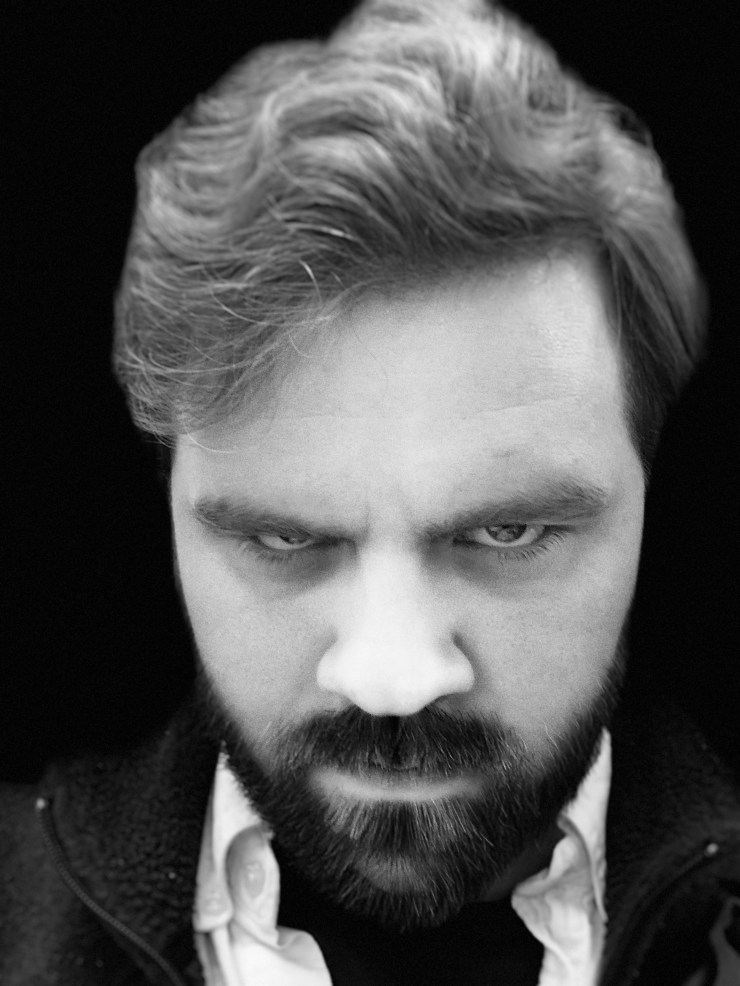
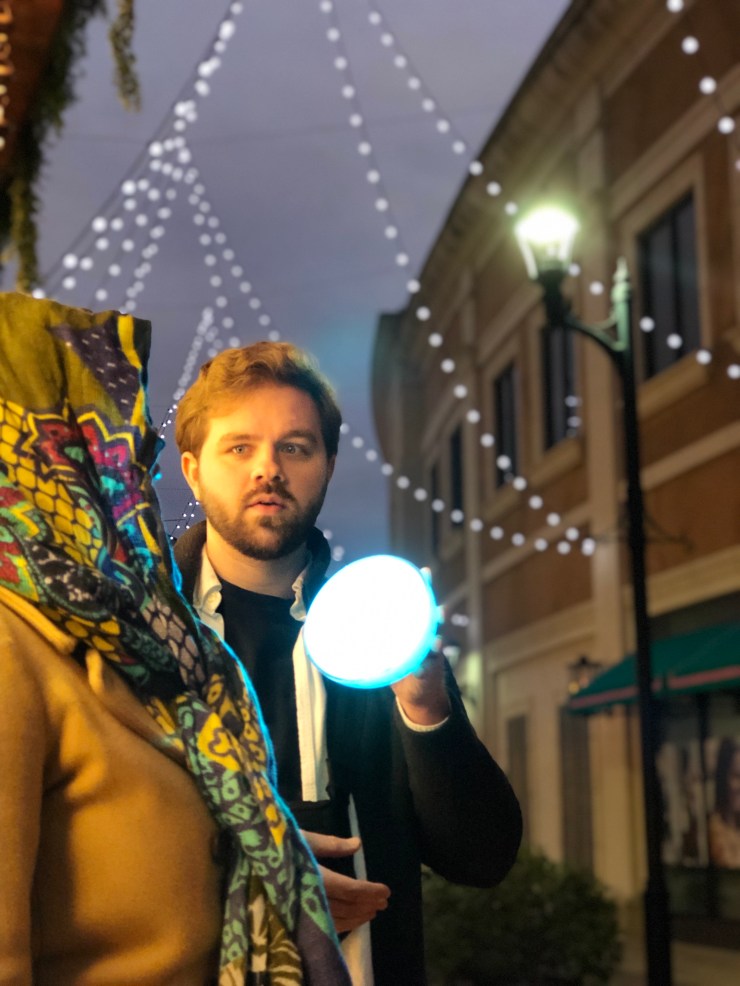
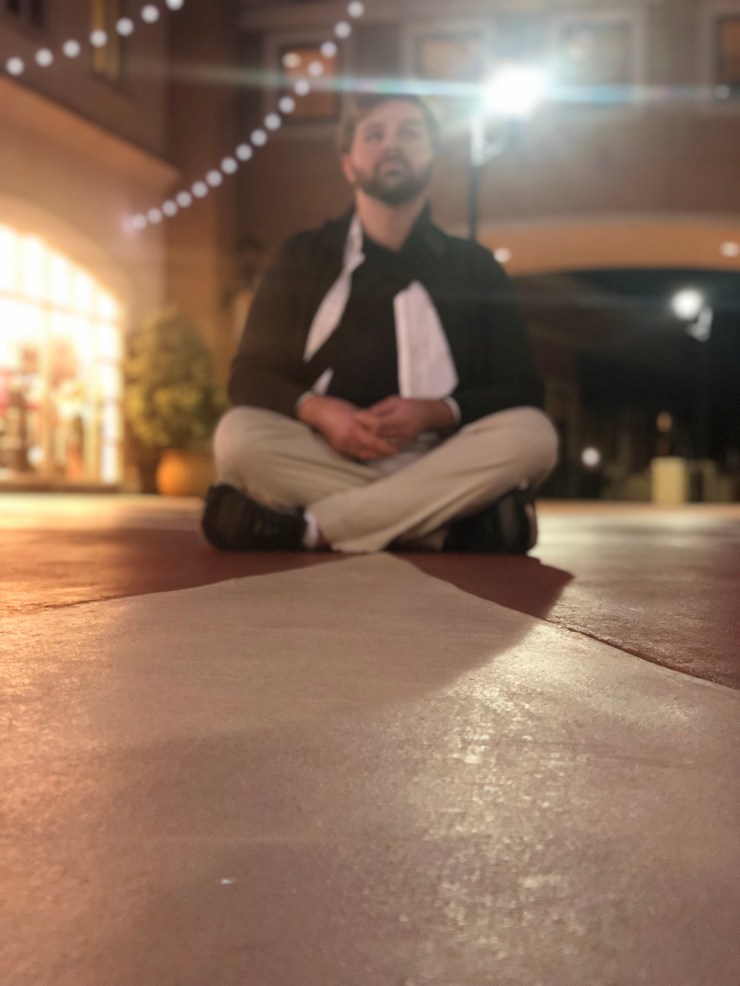
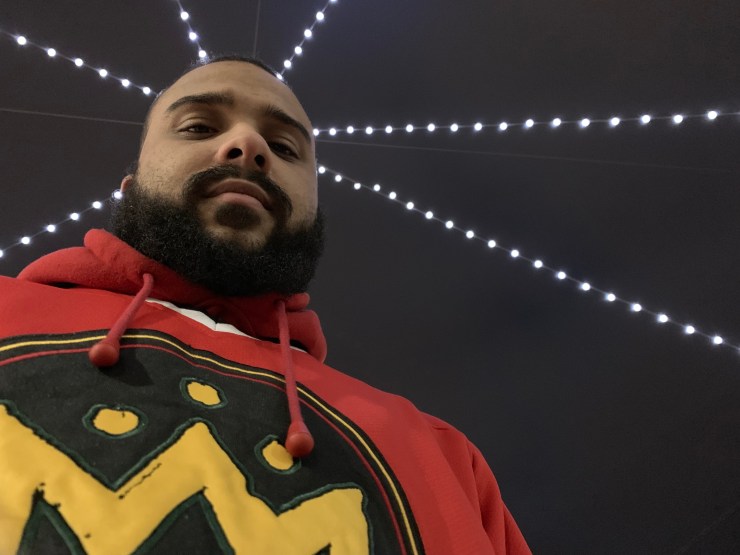
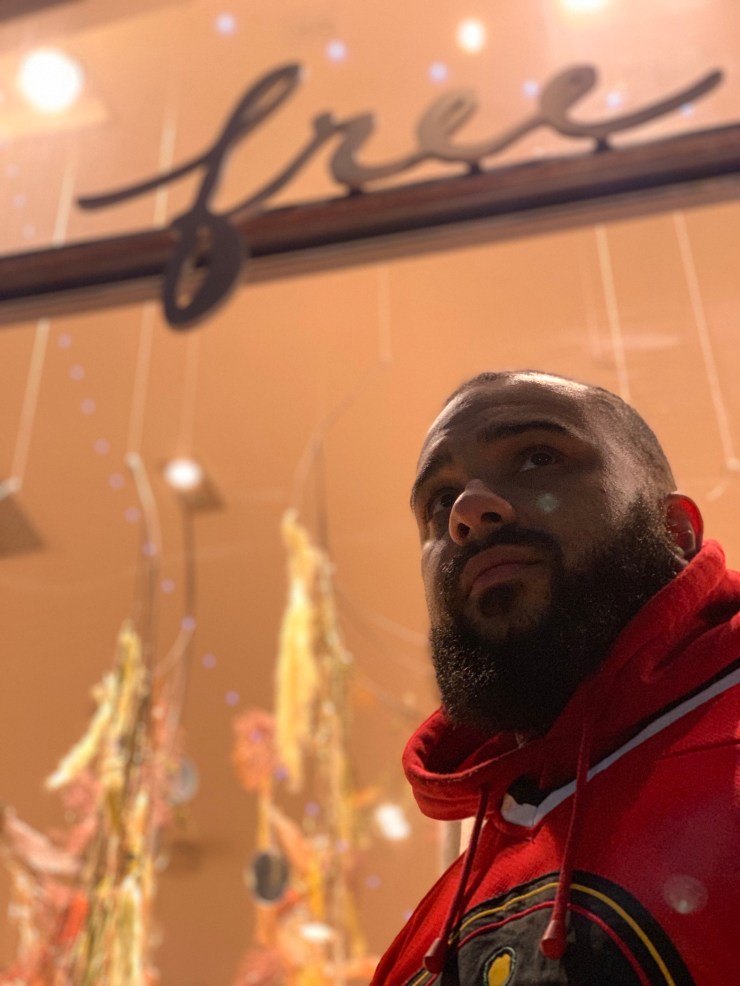
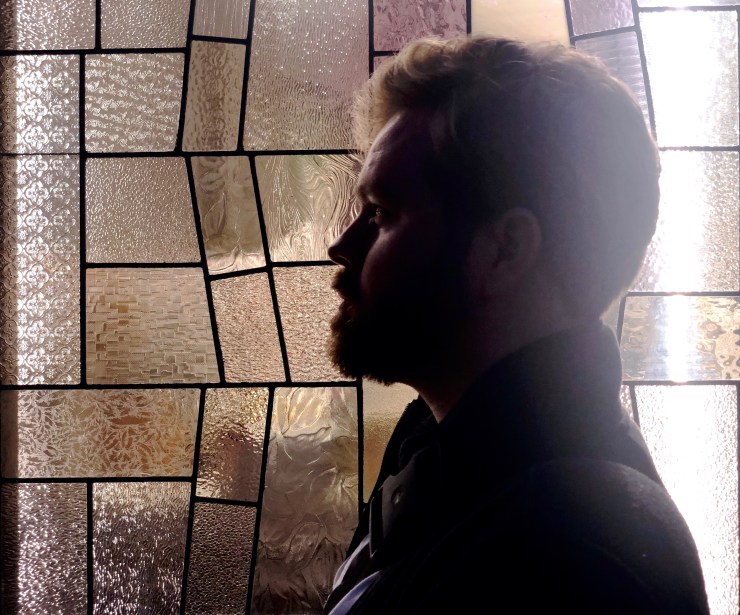
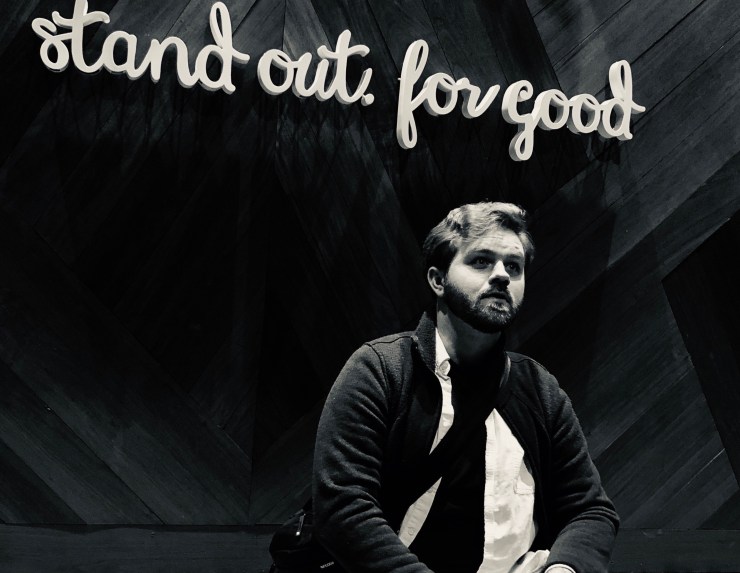
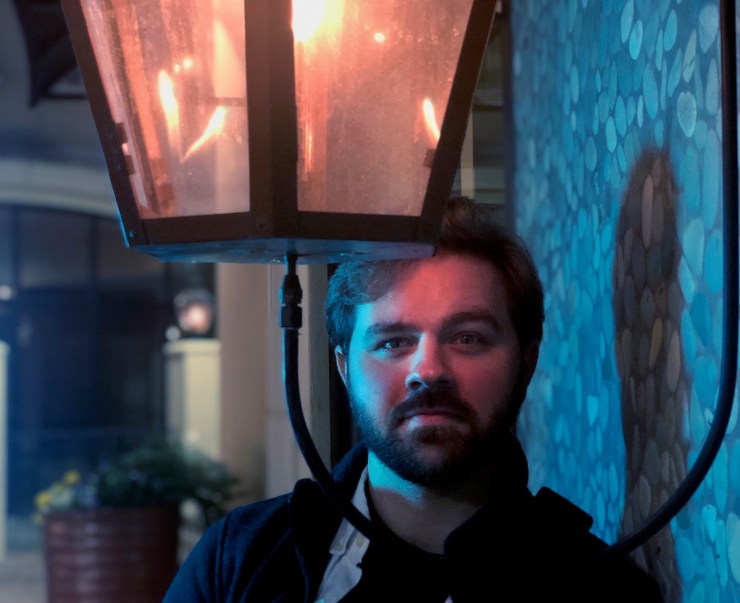
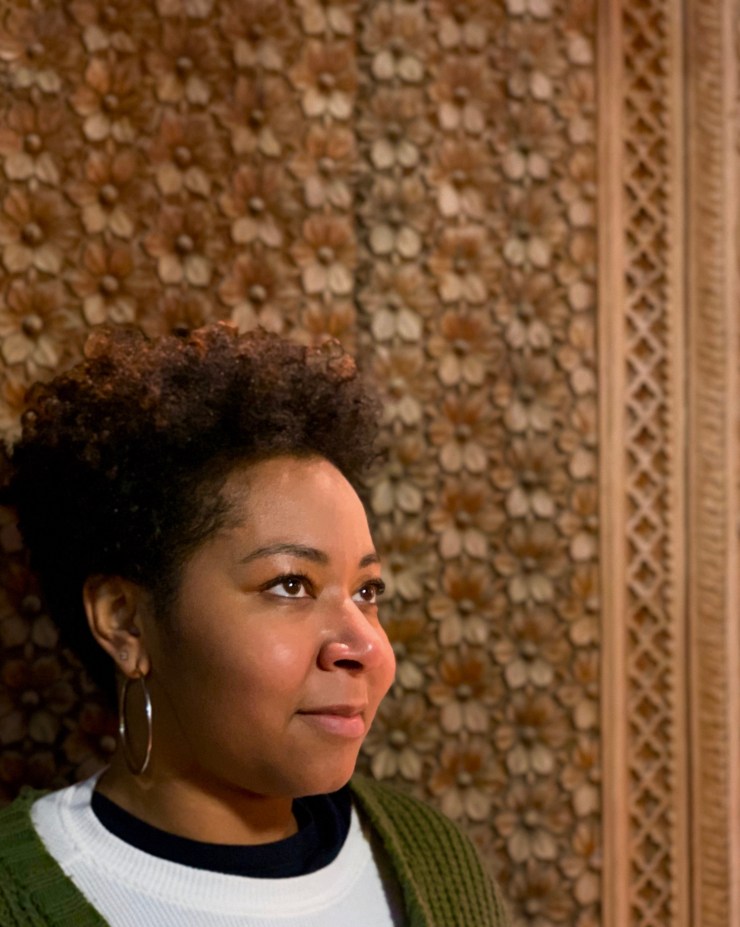
I led a photo walk yesterday, and my group had a blast. They took some absolutely incredible photos. I wanted to show off their talent. Their results are below: